Animated Porfolio

Veda Salkar Last updated on 8 July 2026
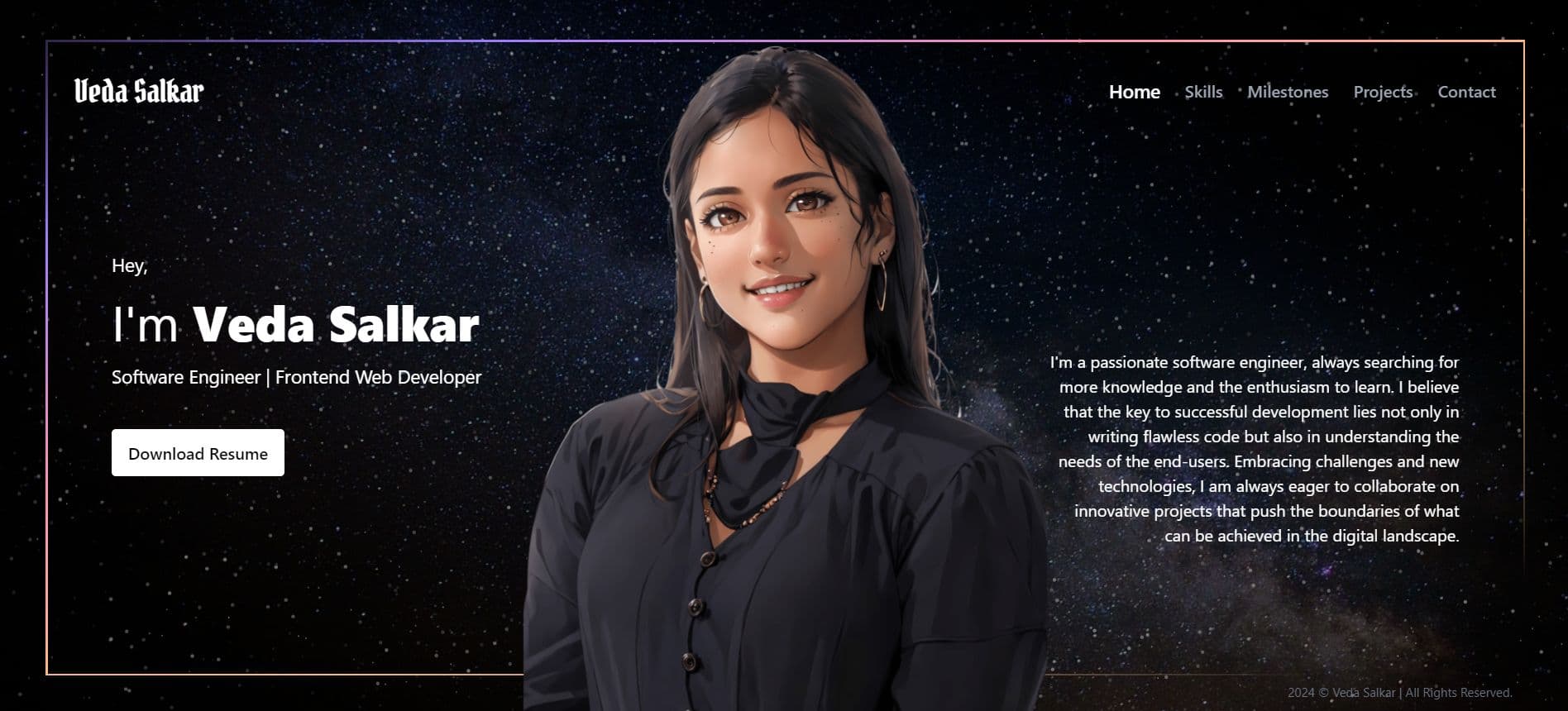
Crafting an Immersive Digital Experience
Building a personal portfolio is a rite of passage for any front-end developer. Beyond simply showcasing projects, it serves as a playground for experimentation and a testament to one's technical prowess. Recently, I set out to rebuild my portfolio from the ground up, focusing on fluid animations and a modern aesthetic powered by a robust tech stack.
The Technology Stack
To achieve a seamless blend of performance and design, I selected a combination of industry-standard tools:
React.js: Provided the component-based architecture necessary to keep the codebase modular and scalable.
Tailwind CSS: Enabled rapid UI development with a utility-first approach, ensuring a clean and responsive layout across all devices.
Framer Motion: Utilized for high-level component transitions and gesture-based animations, making the UI feel reactive.
GSAP (GreenSock Animation Platform): Employed for complex, time-based sequences and high-performance scroll-triggered animations.
Mastering Animation Techniques
The highlight of this project was diving deep into the world of web animation. While Framer Motion made state-based animations intuitive, GSAP offered the granular control required for sophisticated sequencing. Learning how to orchestrate these animations without compromising performance was a key takeaway. I focused on subtle interactions—such as reveal effects on scroll and hover states that provide immediate, satisfying feedback to the user.
Reflections on Growth
This project was more than just a resume builder; it was a deep dive into the nuances of JavaScript and user experience design. By balancing heavy animation libraries with efficient rendering, I gained a better understanding of how to optimize the browser's paint and layout cycles. Moving forward, I am excited to apply these animation techniques to larger, more complex applications.
Related
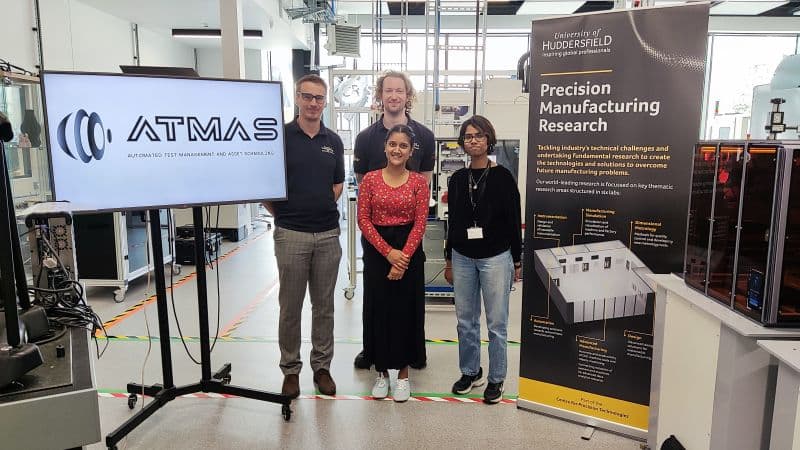
ATMAS
Discover how the ATMAS project at the University of Huddersfield streamlined asset management and test scheduling through custom MVC software development.
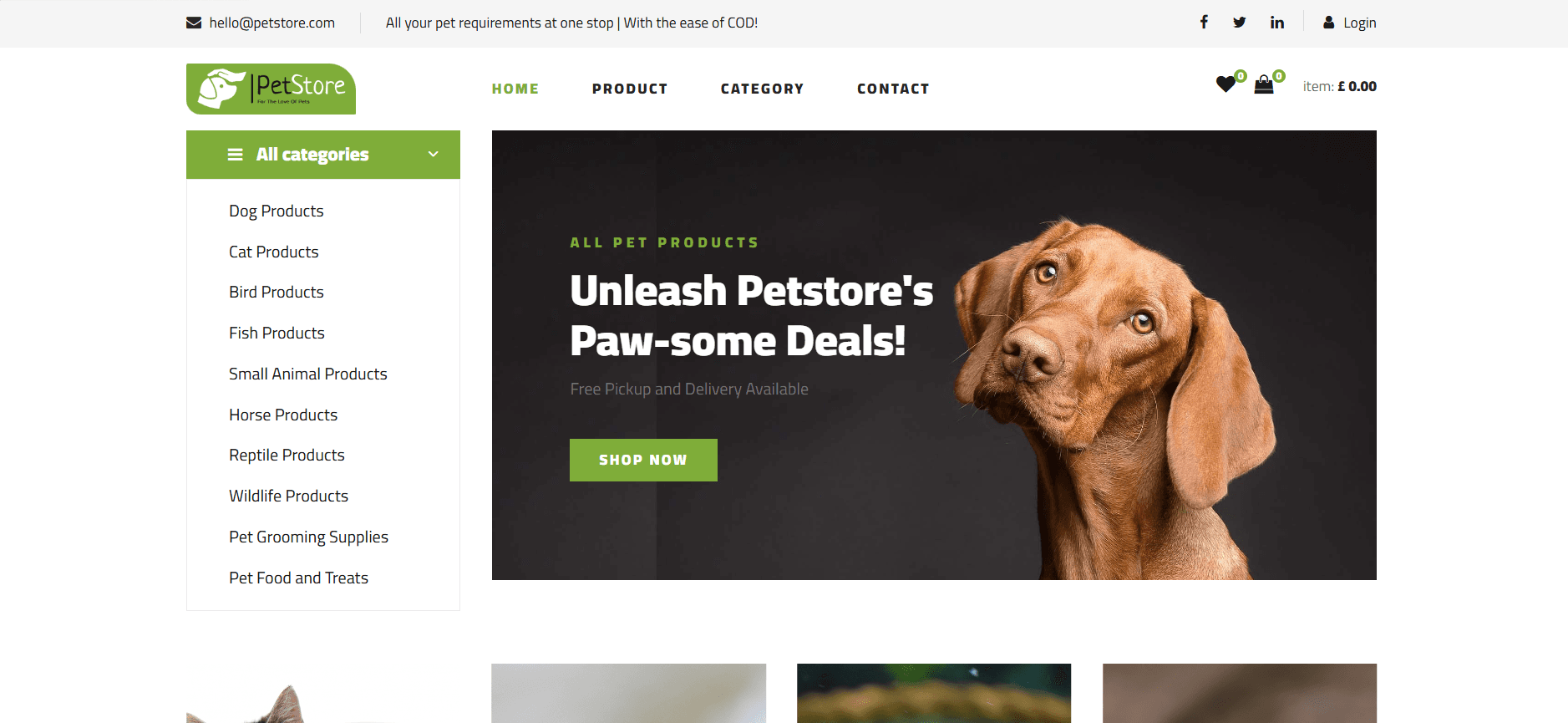
Petstore
A reflection on building my first full-stack e-commerce project using PHP and MySQL. This post explores the challenges of developing Petstore, from user authentication and dynamic product browsing to admin panel management and SEO, highlighting key lessons in backend development, persistence, and real-world problem solving.