The Digital Gateway: Understanding the Power of SEO

Veda Salkar Last updated on 9 July 2026

In the modern digital landscape, a website is often the first point of contact between a brand and its potential customers. However, simply having a functional website is not enough. With millions of sites competing for attention, Search Engine Optimization (SEO) serves as the bridge that connects your content with the users who are actively searching for it. SEO is the practice of increasing both the quality and quantity of website traffic through organic search engine results.
Why SEO is Essential for Every Website
The primary goal of SEO is to make your website more visible to people who are looking for solutions, products, or information related to your niche. Without a solid SEO strategy, even the most beautiful website remains invisible to the vast majority of the internet population.
Increased Organic Traffic: Most online experiences begin with a search engine. SEO ensures your site appears in those crucial early steps.
Cost-Effectiveness: Unlike paid advertising, organic traffic generated through SEO is free in terms of per-click costs, providing a higher long-term return on investment.
Enhanced User Experience: SEO involves optimizing site speed, mobile responsiveness, and easy navigation, which directly benefits the visitor.
How Better SEO Helps You Get Noticed by Google
Google’s primary mission is to organize the world's information and make it universally accessible and useful. To do this, it uses complex algorithms to crawl, index, and rank billions of pages. Better SEO helps Google understand what your website is about and how it provides value to users.
1. Improved Crawlability and Indexing
Before you can rank, Google’s bots must find your site. Technical SEO ensures that your site structure is clean, your sitemap is submitted, and there are no broken links preventing bots from exploring your content. If Google cannot crawl your site, it cannot index it, and you will never appear in search results.
2. Relevance Through Keywords
Google looks for signals that your content matches the user's intent. By conducting keyword research and implementing those terms naturally into your headings, meta descriptions, and body text, you signal to Google that your page is a highly relevant answer to specific queries.
3. Building Authority with Backlinks
Google views a link from another reputable website to yours as a 'vote of confidence.' The more high-quality backlinks you have, the more authoritative your site appears. This authority is a major ranking factor that helps push your content toward the top of Page 1.
SEO is not about gaming the system; it is about providing the best possible result for the user while making it easy for search engines to find and understand that result.
The Long-Term Impact on Brand Credibility
Ranking high on Google does more than just drive traffic; it builds trust. Most users trust the first few results on a search page implicitly. By appearing at the top, your brand gains immediate credibility. Furthermore, because SEO is a continuous process of improvement, it forces your business to stay updated with industry trends and user needs, ensuring long-term sustainability in a competitive market.
In conclusion, SEO is an indispensable tool for any modern website. It is the mechanism that ensures your hard work in content creation and web design is actually seen by the people who matter most, your audience. By focusing on relevance, authority, and technical health, you can secure a prominent place in Google’s search results and grow your digital presence effectively.
Related

From Code to Installable Software: How to Package a React + Python Application
Learn how to turn a React + Python application into a Windows desktop installer. This guide explains the packaging process using React, FastAPI, PyInstaller, Electron, and electron-builder, from building the backend and frontend to creating and testing the final .exe installer.

Git & GitHub Cheat Sheet: Essential Commands and Beginner Guide
A beginner-friendly guide to Git and GitHub covering essential concepts, core commands, branching workflow, and step-by-step setup instructions to help developers manage and collaborate on code efficiently.
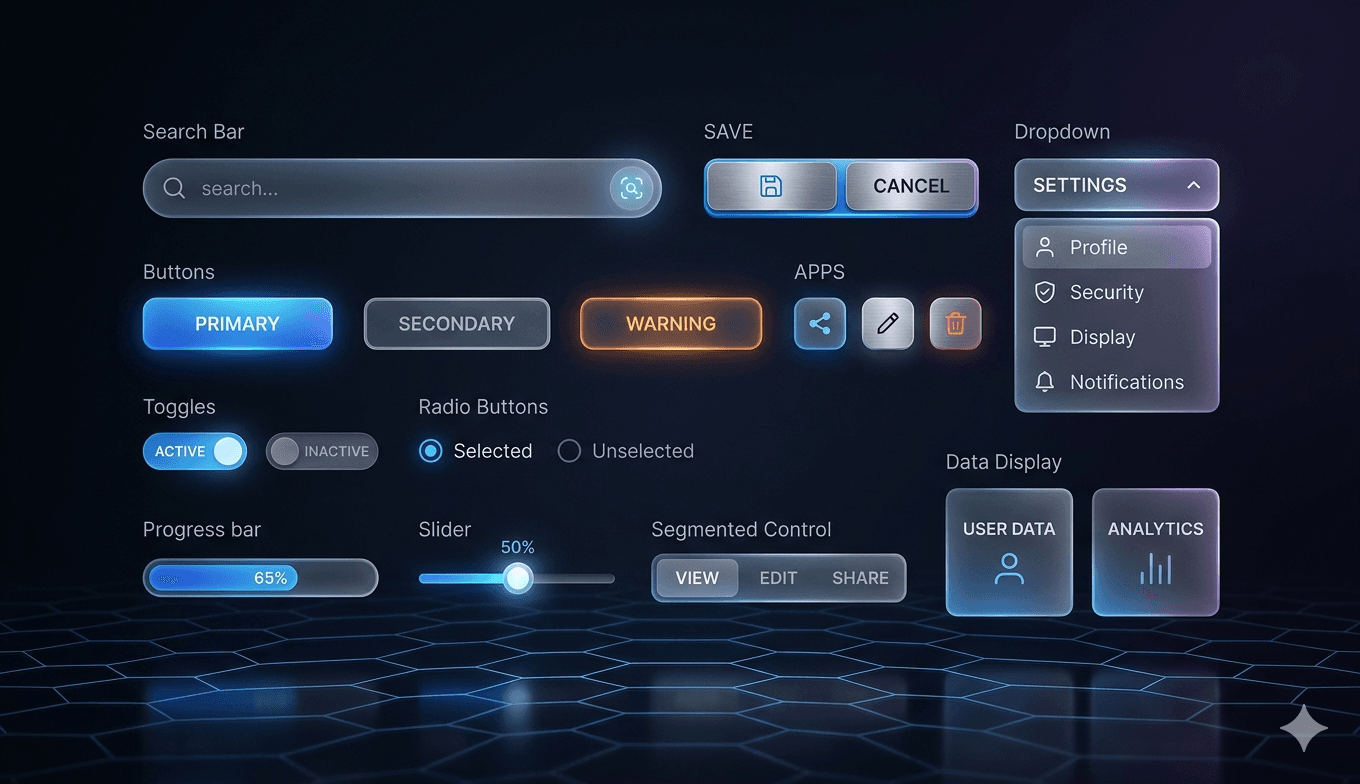
Why Developers Love shadcn/ui for Modern Frontend Development
Explore how shadcn/ui simplifies frontend development by offering accessible, customizable components that you own and control within your own codebase.

Industrial Sensor Data Visualization: Charts That Reveal What Matters
Master the essential chart types for sensor data analysis, including line charts, 3D scatter plots, and surface plots to unlock insights from IoT data streams.
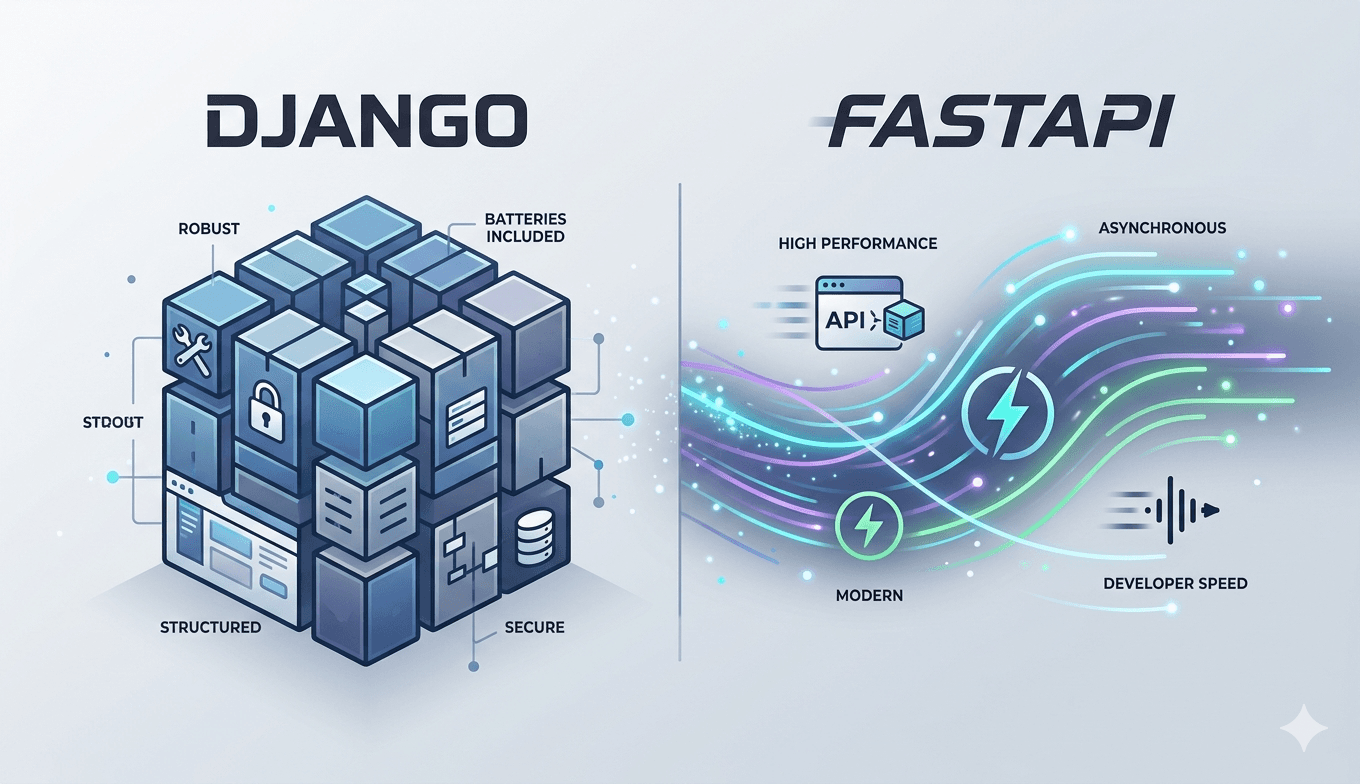
Django v/s FastAPI
A comprehensive comparison of Django and FastAPI, analyzing their architectures, performance metrics, and specific use cases to help you choose the right Python