My Placement Journey in Precision Engineering: Shaping Skills Beyond Code

Veda Salkar Last updated on 9 April 2026
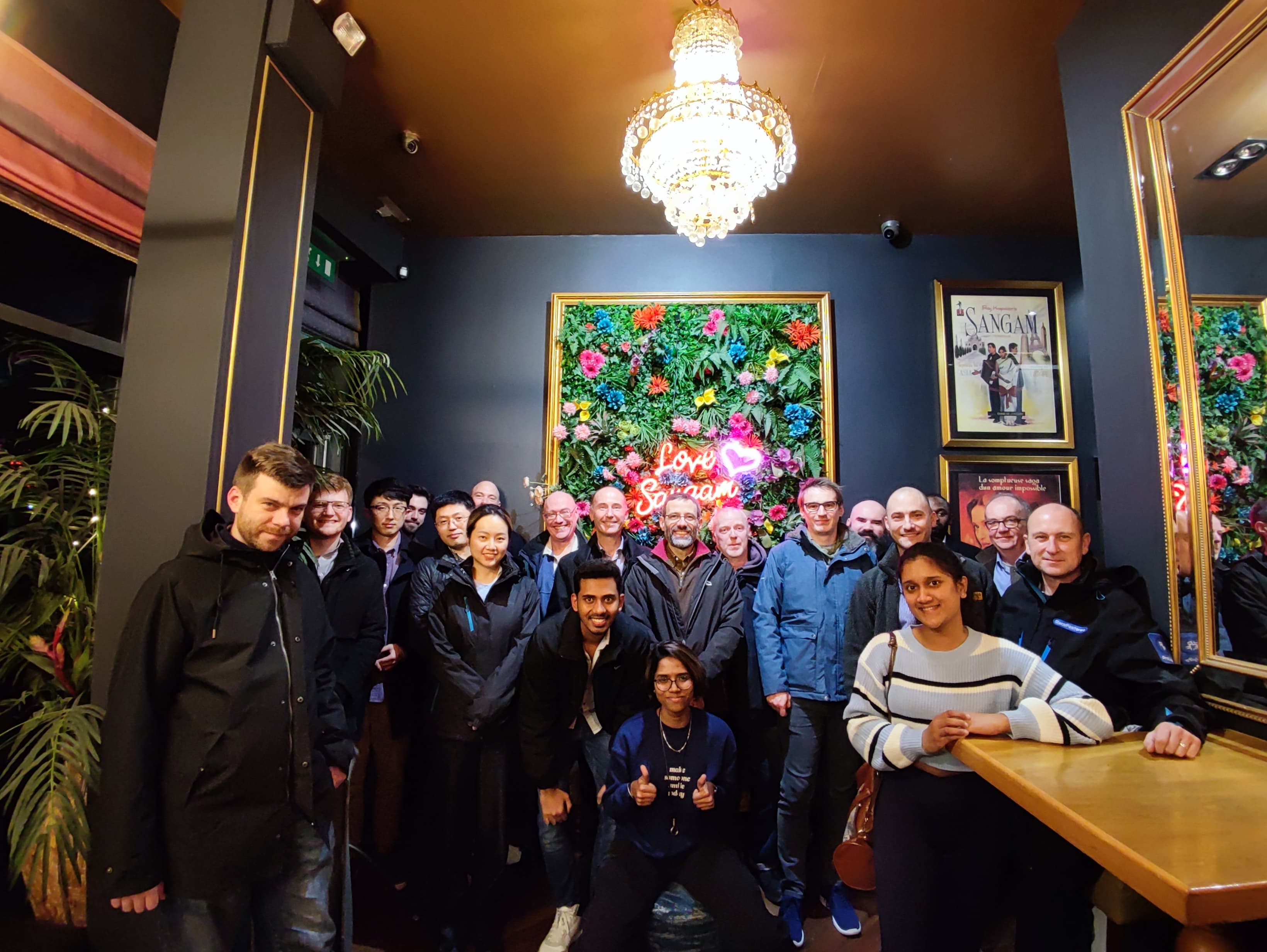
Bridging Software and Precision Engineering
My recent placement at the Centre for Precision Technology (CPT) at the University of Huddersfield was more than just a work experience; it was a transformative journey. Working on the Automated Test Management and Asset Scheduling (ATMAS) system allowed me to immerse myself in the intersection of software development and high-end manufacturing. It was here that I truly understood how software developers are no longer just 'support staff' in technical industries, they are the architects of efficiency, capable of revolutionizing how traditional sectors operate.
The Evolution of a Developer
Before joining the CPT, I viewed myself strictly through the lens of a frontend developer. However, the complex requirements of the ATMAS project challenged me to expand my horizons. By diving into backend architecture, I began my transition toward becoming a full-stack developer. This experience taught me that in the real world especially within precision machining, software must be robust, reliable, and deeply integrated with the requirements to make life easier for engineers and researchers alike.
Developers are not limited to tech companies; they contribute to innovation everywhere, helping optimise processes, improve efficiency, and make complex systems more accessible and manageable.
Mentorship and the Power of a Supportive Team
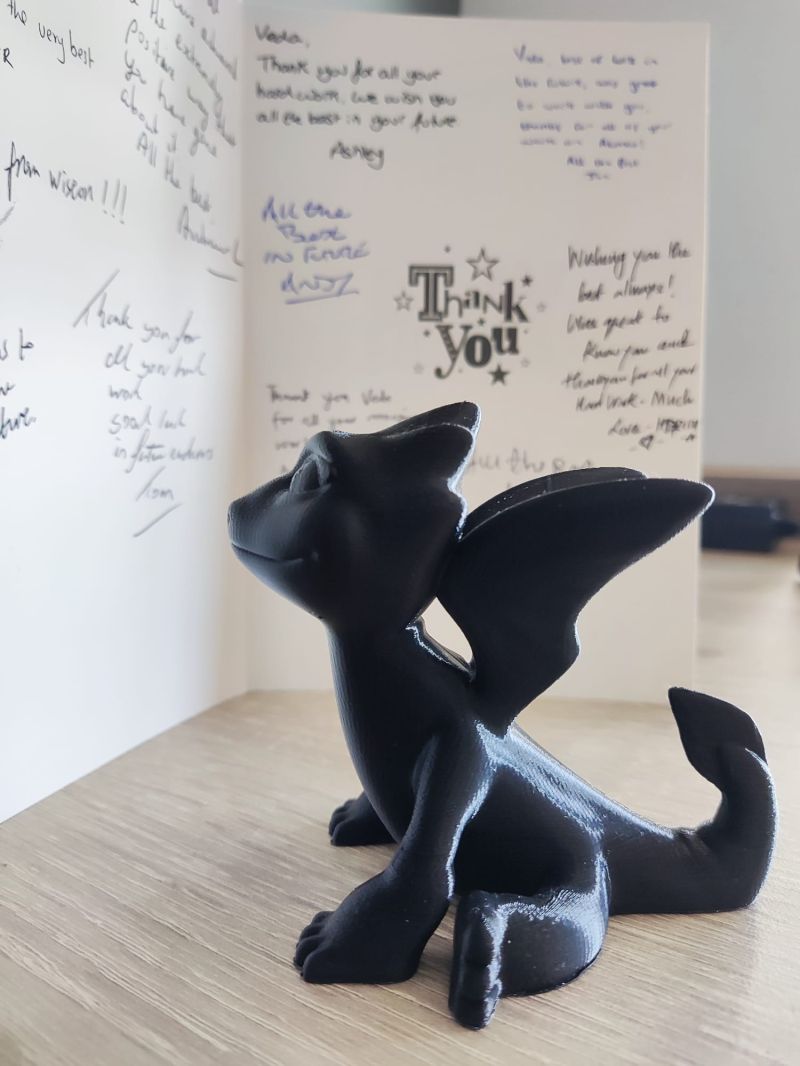
It’s often said that having a great mentor makes all the difference and I was fortunate to have exactly that. The guidance and support I received played a huge role in my growth throughout the placement. My opinions were valued, my ideas were brought to life, and the recognition I received from managers and leadership alike helped me reach a new level of self-confidence. ATMAS was not just a project; it became the cornerstone of my professional career.
Research as a Catalyst for Change
The placement also provided a unique window into the world of academic research. I learned that research is far more than reading papers, it’s about identifying gaps, exploring new ideas, and contributing meaningful solutions to society. It involves curiosity, experimentation, and a drive to create something novel. Being surrounded by colleagues who had completed or were pursuing PhDs exposed me to diverse perspectives and inspiring experiences. It motivated me to consider stepping into research myself, who knows what the future holds!
To learn more about the technical details of the ATMAS project, you can visit my portfolio at https://salkarveda.com/projects/automated-test-management-and-asset-scheduling-atmas.
Related

From Code to Installable Software: How to Package a React + Python Application
Learn how to turn a React + Python application into a Windows desktop installer. This guide explains the packaging process using React, FastAPI, PyInstaller, Electron, and electron-builder, from building the backend and frontend to creating and testing the final .exe installer.
Git & GitHub Cheat Sheet: Essential Commands and Beginner Guide
A beginner-friendly guide to Git and GitHub covering essential concepts, core commands, branching workflow, and step-by-step setup instructions to help developers manage and collaborate on code efficiently.
Why Developers Love shadcn/ui for Modern Frontend Development
Explore how shadcn/ui simplifies frontend development by offering accessible, customizable components that you own and control within your own codebase.

Industrial Sensor Data Visualization: Charts That Reveal What Matters
Master the essential chart types for sensor data analysis, including line charts, 3D scatter plots, and surface plots to unlock insights from IoT data streams.

The Digital Gateway: Understanding the Power of SEO
Learn why Search Engine Optimization (SEO) is the backbone of digital visibility and how it propels your website to the top of Google search results.